Chapter 1
Before Birth – Genes Are Not Destiny

When parents find out they are expecting a baby, many questions arrive all at once. Some questions are exciting: “Who will they look like?” Others are heavier: “Will they struggle the way I did?” “Will they be anxious?” “Will they be happy?”
Behind these questions is a worry many parents share, even if they do not say it out loud: “Is my child’s future already decided?”
The short answer is this: genes matter, but genes do not decide everything. Genes influence your child. They do not control your child. Your child’s development is shaped by the combination of biology and experience, again and again, over time.
What genes can and cannot do
Genes are pieces of information inside the body that help build the brain and the rest of the body. Your child receives genes from both parents. Genes influence physical traits like height and body shape, but they also influence things like energy level, sensitivity, and how strongly a child reacts to stress.
Sometimes people talk about genes as if they are a fixed script. That can sound scary: “Anxiety runs in my family, so my child will have anxiety.” Or, “Our family is stubborn, so my child will be stubborn.”
A better way to think about genes is this: genes create tendencies. They can make certain outcomes more likely, but they do not guarantee them. Two children can have similar genetic risks and still develop very differently if their experiences are different.
Environment starts before birth
A baby’s environment starts before birth. During pregnancy, the baby’s body and brain are developing rapidly. Things like nutrition, sleep, illness, and exposure to stress hormones can influence development.
This does not mean a parent must have a perfectly calm pregnancy. Life includes stress. The important difference is between everyday stress and severe, ongoing stress without support.
After birth, the environment becomes even more important. The baby’s brain develops through experience: being held, being fed, hearing language, and being soothed when upset. These experiences are not “extras.” They are part of how the brain wires itself.
Epigenetics in simple terms
Epigenetics is a big word, but the idea is simple. It means that experiences can change how genes are used. The genes do not change, but the body can turn some genetic “settings” up or down depending on experience.
Researchers have shown in animal studies that nurturing care can shape stress responses. Babies who receive consistent soothing tend to develop a calmer stress system. Babies who experience ongoing stress and inconsistent care may develop a stress system that reacts more strongly.
In humans, we see similar patterns. Children are not “broken” by a single hard day. But repeated patterns of safety, warmth, and predictability help the brain learn: “I am safe. People help. I can calm down.” Repeated patterns of fear, chaos, and unpredictability can teach the opposite.
This is not meant to scare parents. It is meant to show hope: your care matters. You are not powerless.
Temperament is a starting point, not a problem
Babies are born different. Some are easygoing. Some are cautious. Some are intense. Some are highly sensitive. This is temperament. Temperament is real, and it often has a genetic component.
Temperament is not good or bad. It is information. It tells you how your child reacts to the world and what kind of support helps them best.
A sensitive baby might need slower transitions, less noise, and more calming routines. A bold baby might need clearer limits and more coaching about safety. A strong-willed toddler might need choices and firm, steady boundaries.
Real-life example: two sensitive babies
Imagine two babies who are both born very sensitive. They startle easily. They cry when overwhelmed. They have trouble settling.
Baby A
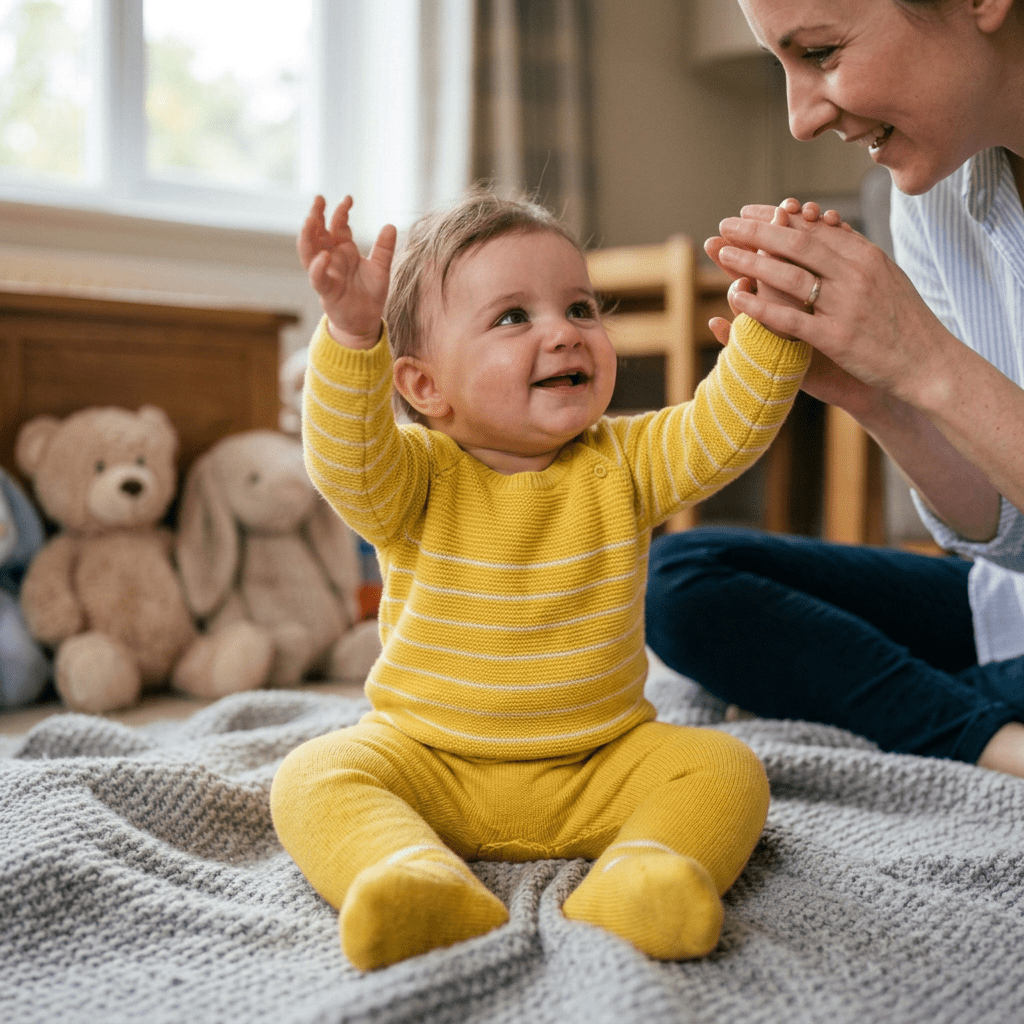
Baby A has a caregiver who notices their signals early. When the baby begins to fuss, the caregiver responds quickly. They lower the noise, hold the baby close, and speak gently. When the baby calms, the caregiver smiles and resumes normal activity.
Over time, Baby A learns a powerful pattern: “When I feel upset, help comes. Big feelings can settle.” This baby may still be sensitive, but they often develop good coping skills because they have had practice calming with support.
Baby B
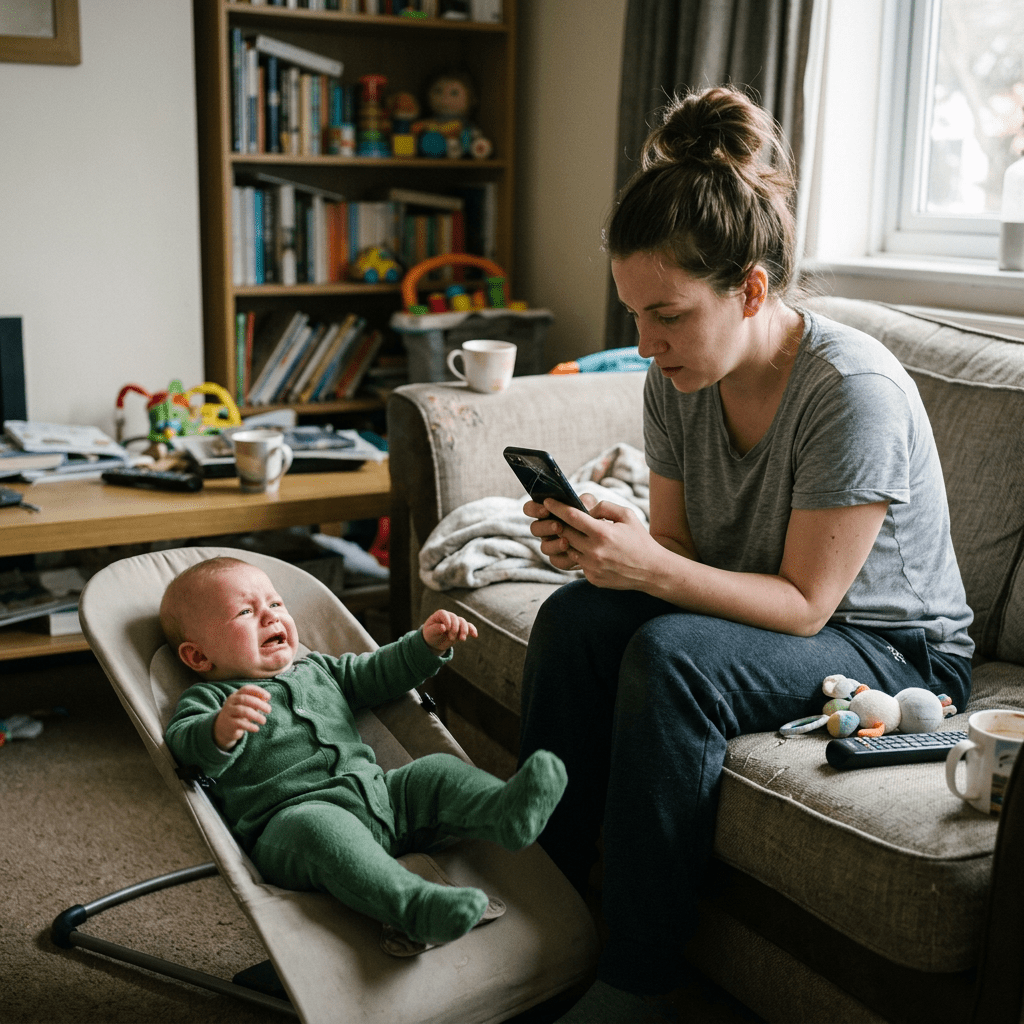
Baby B has a caregiver who is overwhelmed and unsupported. Sometimes the caregiver responds quickly. Other times they are exhausted and delay responding. Sometimes they respond with frustration. The baby cannot predict what will happen.
Over time, Baby B may learn: “I need to stay on alert. I can’t rely on help.” This baby may become more reactive. Not because they are “bad,” but because their nervous system is adapting to unpredictability.
The important point is not blame. The point is understanding: the same temperament can grow in different directions depending on caregiving patterns and support.
Family history: risk is not destiny
Many parents carry worries from their own childhood: depression, anxiety, substance use, learning problems, or trauma. It is understandable to fear passing these on.
Family history can increase risk, but risk is not destiny. Supportive relationships, stable routines, good sleep, and emotionally safe parenting can protect children. When parents receive support for their own stress, that support becomes a protective factor for the child too.
What parents can control
You cannot choose your child’s genes. But you can shape your child’s experiences. You can create a home that feels safe, predictable, and emotionally supportive. You can repair after mistakes. You can ask for help when stress is high.
Small repeated actions matter more than big perfect gestures. Development is built from daily life.
Parent Takeaways
- Genes influence children, but they do not decide everything.
- Temperament is a starting point. Your guidance helps shape what it becomes.
- Warm, consistent care supports a healthier stress system.
- Patterns over time matter more than one bad day.
- Getting support for yourself protects your child too.
Reflection Questions
- What strengths do I want to pass on to my child?
- What challenges do I want to handle differently than my own childhood?
- What support would make parenting feel steadier for me?